

Do I Need Battery Storage For My Solar Panels?
Battery storage systems are installed as a standalone fixture, or,…

Why you can trust our content
We know that the solar industry is full of misinformation, but we only use reliable sources, including:

At a glance
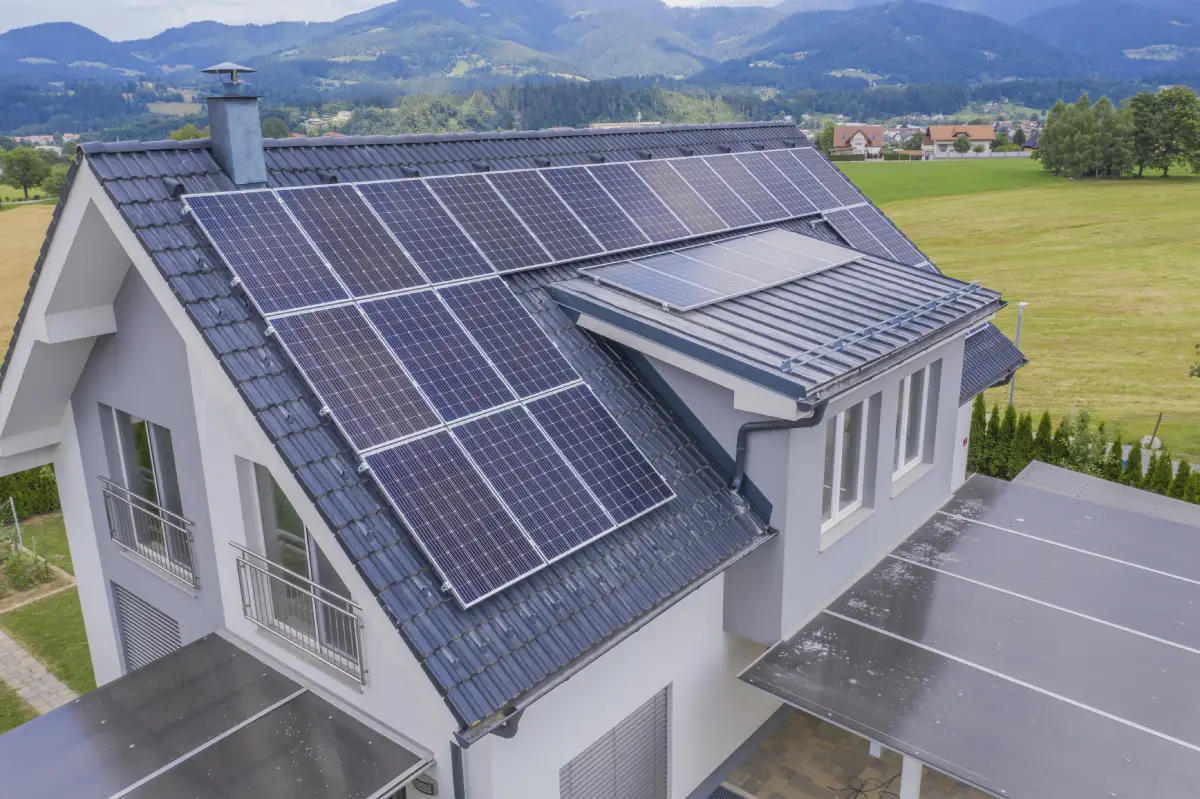
Battery storage systems are installed as a standalone fixture, or, more commonly, as an addition to solar PV panels. Solar panels have long been a popular choice for homeowners embracing eco-friendly practices and looking to lower monthly utility bills. Many miss out on the full benefits of solar panels by not investing in a way to store the energy generated. If you are wondering whether you need a battery storage system fitted alongside your panels, this guide will help you decide.
Store Excess Solar Energy for Later Use
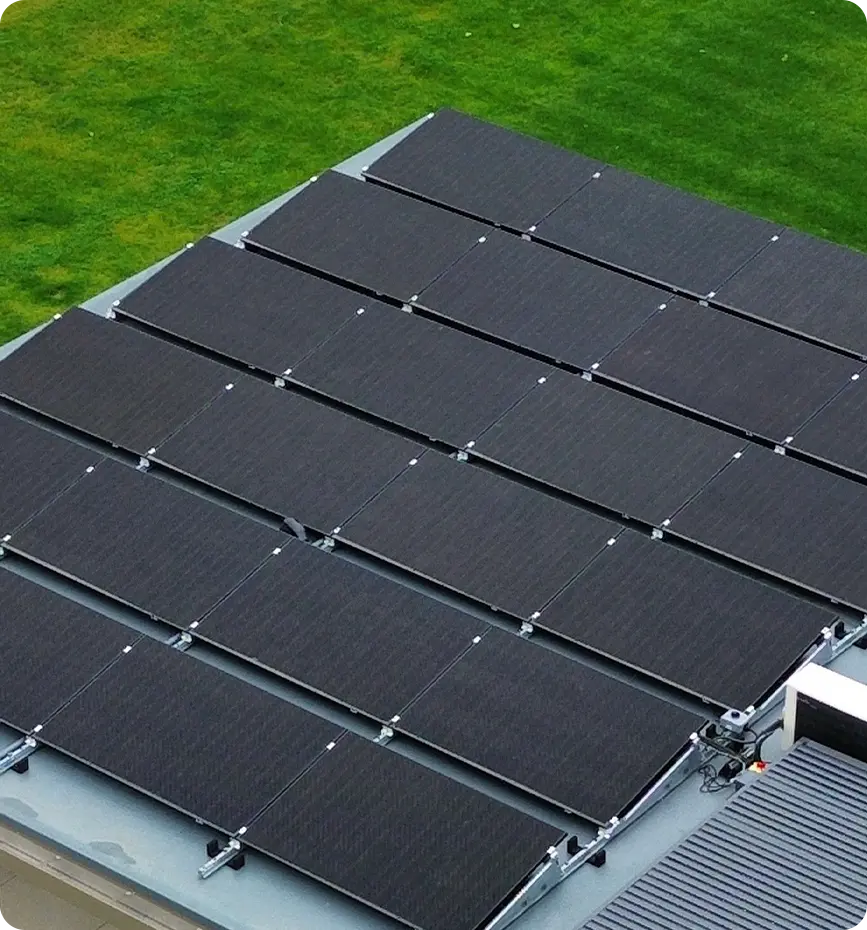
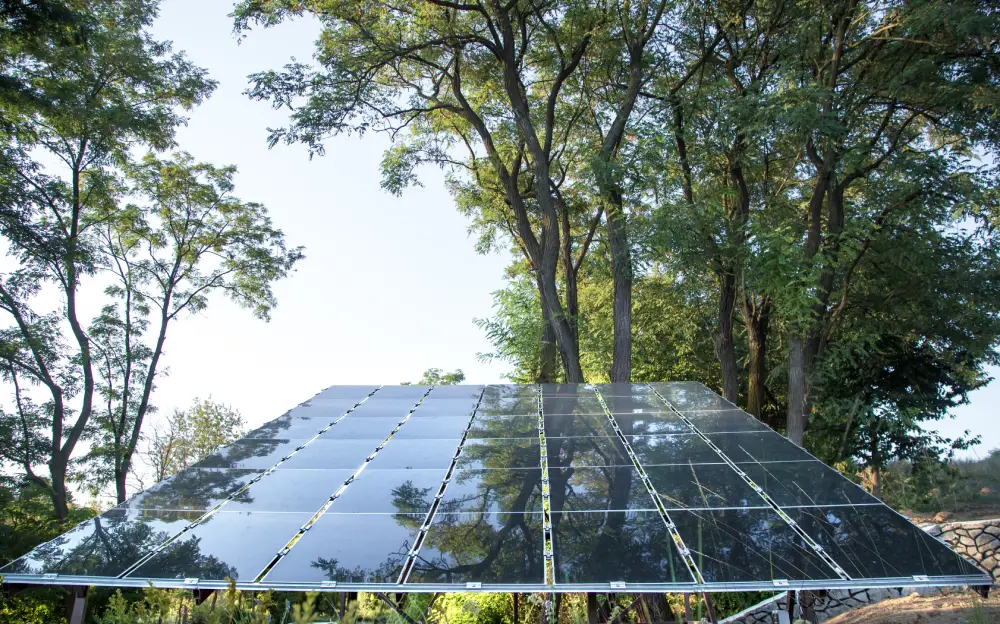
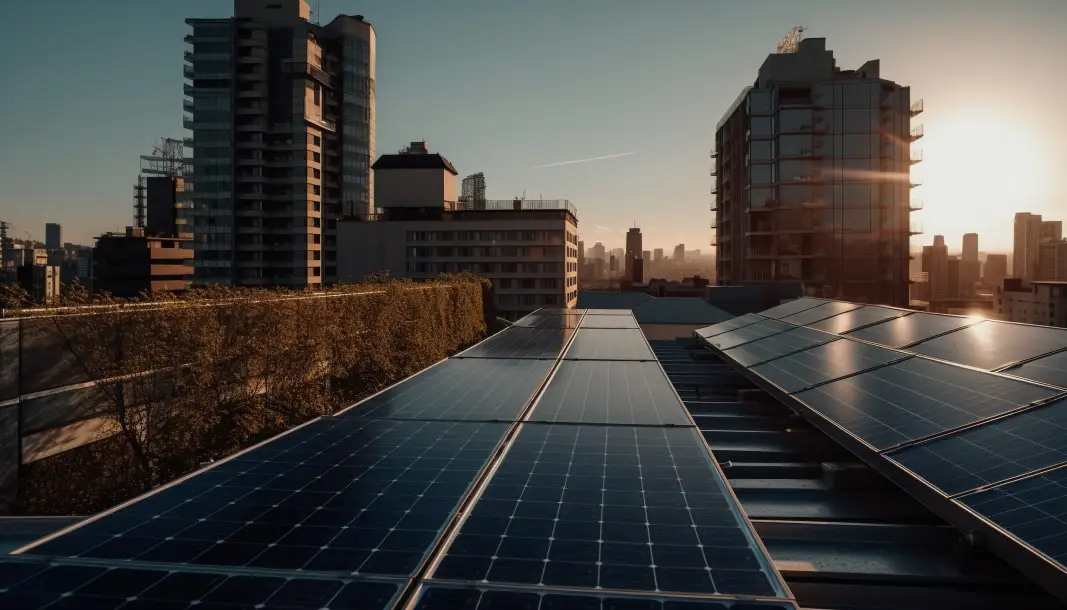
Solar panels generate electricity during the day when the daylight is stronger and sun shines, often producing more energy than the average household needs. Without battery storage, this excess energy is sent back to the grid. With a battery storage system, you can store that surplus power and use it later, such as during the evening when energy demand typically increases. This means you’re relying less on the grid and reducing energy bills – in fact, with some careful planning and the use of smart controls for home appliances, you could almost become energy self-sufficient.
What type of property do you have?

Detached House

Semi Detached House
Terraced House
Flat or Apartment
Bungalow
It just takes 60seconds
And then you can book a free consultation
How Do Battery Storage Systems Work?
Battery storage systems help manage your home’s electricity use by automatically capturing surplus energy generated by solar panels. Instead of sending unused power to the grid, the system redirects it to the battery for later use.
When household energy demand exceeds what the solar panels are currently producing, the stored electricity is released to power your home. Once the battery is sufficiently charged, the solar PV system temporarily stops generating excess energy.
In most systems, household appliances are prioritised over charging the battery, ensuring that generated power is used efficiently. However, newer battery setups allow users to customise the priority, giving greater control over energy management.
Is Battery Storage Right For Your Home?
Whether a battery storage is beneficial will depend on your lifestyle, energy usage, and the size of your PV system.
For homeowners who are at home a lot of the daytime, a lot of the power generated will be used. With heating, cooling, lighting and appliances running, much of the energy generated will be utilised. Therefore, a battery storage system will have limited time to charge. However, having the capacity for extra power in the evening may be a benefit worth having.
If the home is unoccupied much of the day when the panels are generating the most power, then batteries will come into their own. They will become fully charged and ready to run appliances when everyone returns to the property.
What Size Battery Do I Need?
The size of battery will be determined by the solar PV system installed and your energy usage. A battery that is too small might limit the amount of electricity you store and maximise your self-consumption, on the other hand, one that is too large would prevent you from achieving maximum battery capacity, and be a poor investment.
A qualified and experienced solar battery storage installer will be able to recommend the right system for your panels and household use. Here at SJC Renewables, we have the expertise to install precisely what you require. We stay ahead of technological advancements to provide our customers with the latest products available. Ask us for advice and a quote for batteries to enhance your solar energy journey.
Related articles
What type of property do you have?
Detached House
Semi Detached House
Terraced House
Flat or Apartment
Bungalow
At a glance
Battery storage systems are installed as a standalone fixture, or, more commonly, as an addition to solar PV panels. Solar panels have long been a popular choice for homeowners embracing eco-friendly practices and looking to lower monthly utility bills. Many miss out on the full benefits of solar panels by not investing in a way to store the energy generated. If you are wondering whether you need a battery storage system fitted alongside your panels, this guide will help you decide.
Store Excess Solar Energy for Later Use
Solar panels generate electricity during the day when the daylight is stronger and sun shines, often producing more energy than the average household needs. Without battery storage, this excess energy is sent back to the grid. With a battery storage system, you can store that surplus power and use it later, such as during the evening when energy demand typically increases. This means you’re relying less on the grid and reducing energy bills – in fact, with some careful planning and the use of smart controls for home appliances, you could almost become energy self-sufficient.
What type of property do you have?
Detached House
Semi Detached House
Terraced House
Flat or Apartment
Bungalow
It just takes 60seconds
And then you can book a free consultation
How Do Battery Storage Systems Work?
Battery storage systems help manage your home’s electricity use by automatically capturing surplus energy generated by solar panels. Instead of sending unused power to the grid, the system redirects it to the battery for later use.
When household energy demand exceeds what the solar panels are currently producing, the stored electricity is released to power your home. Once the battery is sufficiently charged, the solar PV system temporarily stops generating excess energy.
In most systems, household appliances are prioritised over charging the battery, ensuring that generated power is used efficiently. However, newer battery setups allow users to customise the priority, giving greater control over energy management.
Is Battery Storage Right For Your Home?
Whether a battery storage is beneficial will depend on your lifestyle, energy usage, and the size of your PV system.
For homeowners who are at home a lot of the daytime, a lot of the power generated will be used. With heating, cooling, lighting and appliances running, much of the energy generated will be utilised. Therefore, a battery storage system will have limited time to charge. However, having the capacity for extra power in the evening may be a benefit worth having.
If the home is unoccupied much of the day when the panels are generating the most power, then batteries will come into their own. They will become fully charged and ready to run appliances when everyone returns to the property.
What Size Battery Do I Need?
The size of battery will be determined by the solar PV system installed and your energy usage. A battery that is too small might limit the amount of electricity you store and maximise your self-consumption, on the other hand, one that is too large would prevent you from achieving maximum battery capacity, and be a poor investment.
A qualified and experienced solar battery storage installer will be able to recommend the right system for your panels and household use. Here at SJC Renewables, we have the expertise to install precisely what you require. We stay ahead of technological advancements to provide our customers with the latest products available. Ask us for advice and a quote for batteries to enhance your solar energy journey.
Related articles
What type of property do you have?
Detached House
Semi Detached House
Terraced House
Flat or Apartment
Bungalow