

All You Need To Know About The Smart Export Guarantee
The Smart Export Guarantee (SEG) is a UK government initiative…

Why you can trust our content
We know that the solar industry is full of misinformation, but we only use reliable sources, including:

At a glance
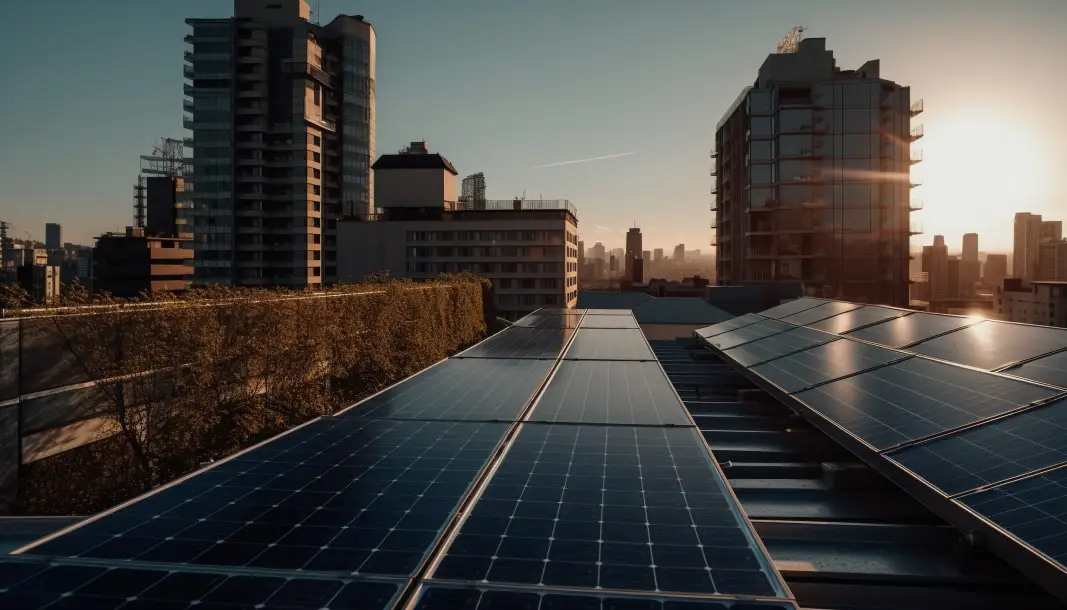
The Smart Export Guarantee (SEG) is a UK government initiative introduced to encourage households and small businesses to generate renewable energy. Launched in January 2020, the SEG ensures that small-scale energy producers, such as everyday homeowners with solar panels or wind turbines, are compensated for surplus electricity exported back to the National Grid. It replaced the earlier Feed-in Tariff (FiT) scheme. The scheme can help offset the initial cost of installing solar PV systems for households. You can expect to earn approximately £160 per year by feeding into the National Grid.
How Does the SEG Work?
If you have a renewable energy generation system installed, such as solar panels, you can sign up for an SEG tariff with your usual energy supplier. Energy suppliers with more than 150,000 customers must offer an export tariff to customers who have installed renewable energy-generating systems. The supplier pays you for every kilowatt-hour (kWh) of electricity you export, measured using a smart meter.
Key points about the SEG:
- Eligibility: Your energy supplier must be part of the scheme, but there are plenty to choose from.
- Payments: The rates are set by individual suppliers, this has created healthy competition and allows people to shop for the best deals. Unlike FiT, rates are not guaranteed or fixed unless the supplier decides to offer this.
- Exit Fees: Check the small print before signing up to a supplier; some charge exit fees.
- Export Measurement: Smart meters or export meters track the energy sent back to the grid.

What type of property do you have?

Detached House

Semi Detached House

Terraced House

Flat or Apartment
Bungalow
It just takes 60seconds
And then you can book a free consultation
Benefits of the SEG
- Earn Money from Surplus Energy: Homeowners can monetise unused electricity rather than letting it go to waste.
- Encourages Renewable Energy Use: The scheme encourages the installation of renewable technologies, reducing reliance on non-renewable energy sources.
- Flexibility: Households can choose suppliers with the best rates, tailoring the scheme to their needs.
- Environmental Impact: Supporting the SEG contributes to the UK’s net-zero carbon emission targets.
What Rates Can You Expect?
SEG rates vary widely across suppliers, ranging from a few pence to over 15p per kWh depending on market conditions and supplier offerings. It’s essential to compare tariffs and regularly check for updates as rates are not fixed long-term. Some providers offer flat rates, while others provide dynamic rates that fluctuate with market demand.
How to Get Started with the SEG
- Install Renewable Technology: Install solar panels, wind turbines or other eligible systems. Ensure they are certified under the Microgeneration Certification Scheme (MCS) to be eligible.
- Apply for an SEG Tariff: Research and contact energy suppliers offering SEG payments. Compare their rates and terms – you may need to sign up as a customer before being able to apply for SEG with a particular provider.
- Ensure Accurate Metering: A smart meter is usually a conditioning of acceptance to accurately track exported energy.
Is SEG Worth It?
The SEG scheme is a win-win for homeowners and the environment. It allows you to earn money back from your investment in renewable energy, and it supports the UK’s shift towards sustainable solutions. By exporting excess electricity to the grid, you play a vital role in making renewable energy accessible to others.
For more detailed guidance on SEG, visit the UK government website or energy suppliers offering SEG tariffs.
For a quote on a new solar PV panel system, complete the simple online form with SJC Renewables. We can give you a transparent price for fitting everything you need to join the renewable energy revolution!
Related articles

What type of property do you have?
Detached House
Semi Detached House
Terraced House
Flat or Apartment
Bungalow
At a glance
The Smart Export Guarantee (SEG) is a UK government initiative introduced to encourage households and small businesses to generate renewable energy. Launched in January 2020, the SEG ensures that small-scale energy producers, such as everyday homeowners with solar panels or wind turbines, are compensated for surplus electricity exported back to the National Grid. It replaced the earlier Feed-in Tariff (FiT) scheme. The scheme can help offset the initial cost of installing solar PV systems for households. You can expect to earn approximately £160 per year by feeding into the National Grid.
How Does the SEG Work?
If you have a renewable energy generation system installed, such as solar panels, you can sign up for an SEG tariff with your usual energy supplier. Energy suppliers with more than 150,000 customers must offer an export tariff to customers who have installed renewable energy-generating systems. The supplier pays you for every kilowatt-hour (kWh) of electricity you export, measured using a smart meter.
Key points about the SEG:
- Eligibility: Your energy supplier must be part of the scheme, but there are plenty to choose from.
- Payments: The rates are set by individual suppliers, this has created healthy competition and allows people to shop for the best deals. Unlike FiT, rates are not guaranteed or fixed unless the supplier decides to offer this.
- Exit Fees: Check the small print before signing up to a supplier; some charge exit fees.
- Export Measurement: Smart meters or export meters track the energy sent back to the grid.
What type of property do you have?
Detached House
Semi Detached House
Terraced House
Flat or Apartment
Bungalow
It just takes 60seconds
And then you can book a free consultation
Benefits of the SEG
- Earn Money from Surplus Energy: Homeowners can monetise unused electricity rather than letting it go to waste.
- Encourages Renewable Energy Use: The scheme encourages the installation of renewable technologies, reducing reliance on non-renewable energy sources.
- Flexibility: Households can choose suppliers with the best rates, tailoring the scheme to their needs.
- Environmental Impact: Supporting the SEG contributes to the UK’s net-zero carbon emission targets.
What Rates Can You Expect?
SEG rates vary widely across suppliers, ranging from a few pence to over 15p per kWh depending on market conditions and supplier offerings. It’s essential to compare tariffs and regularly check for updates as rates are not fixed long-term. Some providers offer flat rates, while others provide dynamic rates that fluctuate with market demand.
How to Get Started with the SEG
- Install Renewable Technology: Install solar panels, wind turbines or other eligible systems. Ensure they are certified under the Microgeneration Certification Scheme (MCS) to be eligible.
- Apply for an SEG Tariff: Research and contact energy suppliers offering SEG payments. Compare their rates and terms – you may need to sign up as a customer before being able to apply for SEG with a particular provider.
- Ensure Accurate Metering: A smart meter is usually a conditioning of acceptance to accurately track exported energy.
Is SEG Worth It?
The SEG scheme is a win-win for homeowners and the environment. It allows you to earn money back from your investment in renewable energy, and it supports the UK’s shift towards sustainable solutions. By exporting excess electricity to the grid, you play a vital role in making renewable energy accessible to others.
For more detailed guidance on SEG, visit the UK government website or energy suppliers offering SEG tariffs.
For a quote on a new solar PV panel system, complete the simple online form with SJC Renewables. We can give you a transparent price for fitting everything you need to join the renewable energy revolution!
Related articles
What type of property do you have?
Detached House
Semi Detached House
Terraced House
Flat or Apartment
Bungalow